

A diagnosis of fibroids often comes as a surprise. Perhaps you went in for a routine pelvic exam and came out with a concerning diagnosis of fibroids. Or maybe you have been struggling with fertility, only to discover that a large fibroid is preventing conception. It’s natural to wonder if and how the fibroids will…
A diagnosis of fibroids often comes as a surprise. Perhaps you went in for a routine pelvic exam and came out with a concerning diagnosis of fibroids. Or maybe you have been struggling with fertility, only to discover that a large fibroid is preventing conception. It’s natural to wonder if and how the fibroids will affect your fertility, how you can minimize symptoms, and what your treatment options are.
When faced with a diagnosis of uterine fibroids, understanding your treatment options is the first step toward recovery. Although there are various approaches, only a few offer a lasting solution that protects your fertility. With the guidance of an experienced fertility doctor, you can make an informed decision regarding the treatment of your fibroids. As you follow along, you’ll learn about:
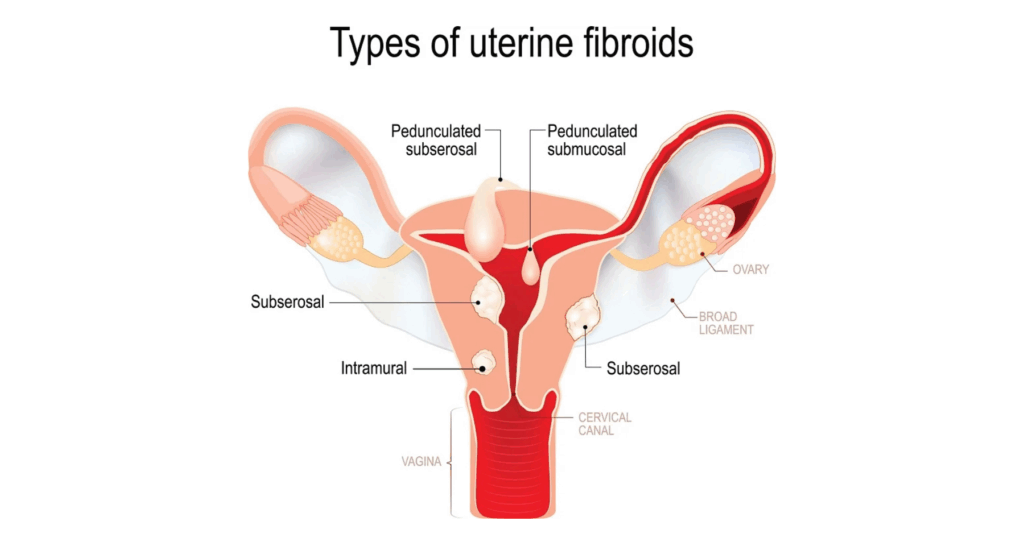
Fibroids are tumors that grow along with the muscles of the uterine wall. They are almost always benign and can bulge into or out of the uterus, or remain within the uterine wall. Also known as leiomyoma or myoma, fibroids vary in appearance and presentation. Some are small, while others grow large, and sometimes only one fibroid grows, while other times several appear.
Fibroids are classified based on where they are located or how they are attached to the uterine wall:
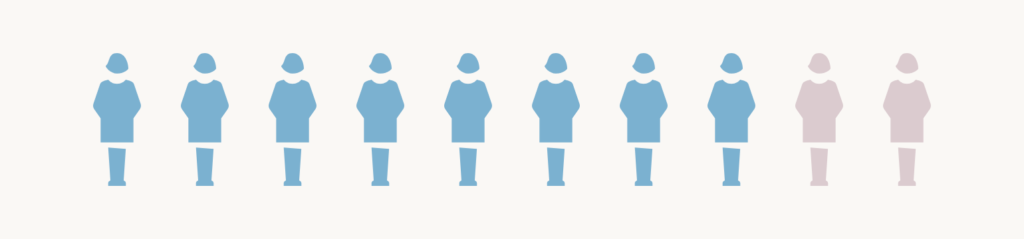
Fibroids are very common and may appear in up to 80% of women by the time they reach age 50. In many cases, fibroids cause no symptoms at all and go undetected. These muscular growths can affect women at any age but are more common in women in their 30s and 40s.
The cause of fibroids is unknown but may be related to hormones and genetics. Although researchers aren’t sure why fibroids appear, some risk factors are associated with them, such as:
To date, there are no treatments that prevent fibroids from growing. However, there are many treatment options for existing fibroids when they cause symptoms or complications.
Fibroids often go undetected due to a lack of symptoms. Sometimes, women discover that they have fibroids during a prenatal ultrasound or a routine pelvic exam. However, fibroids can also cause a range of symptoms, including:
Symptoms of fibroids are similar to many other conditions, making the diagnosis difficult at times. If you have symptoms of fibroids, be sure to discuss your concerns with your doctor. With simple imaging exams such as an ultrasound, your doctor will be able to determine whether or not you have fibroids, how many you have, and their position. With an accurate diagnosis, you can then get the best treatment for your needs.
Fortunately, fibroids are very treatable. Among the most common treatments are medications and surgery. Although both medications and surgery may be viable options in many cases, each approach has its advantages and disadvantages. The main disadvantage of medications is that while they may treat any symptoms, they don’t eliminate the problem.
To permanently treat the condition, surgery is needed. Although surgery requires a medical procedure and some recovery time, it is preferable to medications for many women. This is because medications may cause side effects and even impact your fertility negatively. Surgery, on the other hand, removes the fibroids safely and solves the problem permanently.
Here at Kofinas, we offer our patients complete fibroid treatment through minimally invasive fibroid removal surgery. Your doctor here at Kofinas will take the time to walk you through the various treatment options so that you can make an informed decision. However, we often recommend treating with surgery as it is the best way to preserve your fertility.
If you have fibroids, discuss your treatment options with your doctor before making any decisions. Our doctors here at Kofinas will happily walk you through your options and help you make the best decision for your goals.
Some fibroid treatment options come with the risk of infertility. In certain cases, these treatment options may be ideal. However, it’s essential for women who hope to preserve their fertility to be aware of the risks associated with these treatments.
Standing for Uterine Artery Embolization, in this procedure, the doctor cuts off the blood supply to fibroids so that they shrink. It is a minimally invasive procedure completed using a catheter that is threaded through arteries in the leg. In fact, most patients can go through the procedure with sedation and local anesthesia.
Unfortunately, a UAE doesn’t eliminate the problem of fibroids completely. Even after the procedure, many women need to have it repeated or choose another approach for their fibroids. Also, the procedure puts women at risk for complications in future pregnancies, including a higher risk of miscarriage. For this reason, UAE is usually only recommended for women who don’t want to get pregnant in the future.Pros:
Cons:
Ultimately, UAE is only appropriate for women who don’t want to get pregnant again. Even in these cases, there is a risk that the woman may need surgery, a hysterectomy, or further treatment for fibroids after this procedure.
During a hysterectomy, the entire uterus is removed surgically. Sometimes, only the uterus is removed while in other cases the ovaries are also extracted. This procedure is very routine, representing the second most common surgery for women in the United States. Despite this, a hysterectomy is often considered a last resort for treating uterine fibroids and other reproductive health conditions.
A hysterectomy does eliminate fibroids. However, it is a major surgery that comes with serious consequences. Namely, after a hysterectomy, it is impossible for a woman to become pregnant. While eggs may be retrieved and frozen to protect fertility, any future pregnancy would need to be done via surrogacy.
Pros:
Cons:
A hysterectomy is an extreme surgical approach for fibroids, usually reserved for very large fibroids that cause severe bleeding.
Various medications are used to treat fibroids, including birth control and pain killers. These medications can help reduce pain and regulate bleeding. Only certain birth control methods containing progesterone are effective in treating fibroids. However, some studies show that birth control pills may reduce the likelihood of growing fibroids. Another common medication used in fibroid treatment is iron supplements, which are used if you become anemic due to blood loss.
A medication called gonadotropin-releasing hormone agonists (GnRHa) can shrink fibroids. Unfortunately, this medication causes bones to thin, so it can’t be used long-term. As soon as you stop taking GnRHa, the fibroids will grow back. Typically, GnRHa is used to shrink fibroids with the goal of making them easier to remove during surgery.
Fibroid medication treatments only address symptoms and do not eliminate fibroids.
Pros:
Cons:
Fibroid medications can serve as an initial treatment until surgery can be performed. It doesn’t offer a long-term solution.
Sometimes, fibroids affect fertility. If you want to regain your fertility by treating your fibroids, there are treatments available to you that can help improve your chances of getting pregnant. The treatments below are also ideal for women who want to eliminate the symptoms of fibroids while protecting their future fertility.

Myomectomy is a type of surgery that makes use of a tiny fiber-optic scope. The scope is inserted into a small incision near your belly button, allowing the doctor to pinpoint and remove fibroids. This procedure eliminates fibroids and the symptoms they cause. Only the fibroid tissues are removed, leaving the rest of the uterus intact. Laparoscopy is a less invasive type of surgery than traditional surgery, which means you’ll recover faster and experience less pain.
Pros:
Cons:
Laparoscopic surgery is generally a permanent solution, especially for women with fewer fibroids. Although there is a small risk that fibroids will grow again, for most women, the procedure eliminates present and future fibroids. This procedure also can help restore the fertility of women who present fibroids that make implantation or fertilization difficult.
At Kofinas Fertility Group, we specialize in fibroid-related surgeries to help you improve your health and achieve your fertility goals. Before scheduling surgery, our doctors will carefully analyze and identify your fibroids to determine the best approach. Fewer, smaller fibroids can be treated right here in our facilities. However, more serious cases that include multiple or large fibroids are best treated in the hospital. Although complications are rare, it’s best to be cautious.
No matter your situation, you can count on us to offer excellent fibroid removal surgery. During the procedure, the doctor will eliminate only the fibroid tissue, leaving the rest of your uterus intact. Because fibroids affect fertility, removal through surgery may help you achieve a healthy pregnancy.
Give us a call and talk to our team.
If you’re under 35 and have been trying for 12 months (or 6 months if 35+), consider an evaluation.
Seek urgent care for sudden severe pain or heavy bleeding.



We’re Ready To Help.
Connect with our team to discuss your situation and understand your next steps—without pressure, without judgment.
Connect with our team to discuss your situation and understand your next steps. Our fertility clinic in Lower Manhattan is here to help - without pressure, without judgment.
Comprehensive fertility care with clarity and confidence.