

IVF is a precise, multi-step process, and the laboratory is where a significant part of it happens. How eggs are handled after retrieval, how fertilization is carried out, how embryos are cultured and evaluated, and how the transfer environment is prepared all contribute to the outcome. At Kofinas, IVF is not separated from the diagnostic work that precedes it or the clinical follow-up that follows it. It is one part of a continuum.
IVF can feel like a leap into the unknown, especially after prior attempts that did not go as hoped. Understanding the process, what is happening in the lab, and what each stage means for your specific situation makes it possible to move forward with more clarity and less dread. We explain what we are doing and why, at every step.
Services
The most advanced assisted reproductive technology tailored to your goals
Learn MoreConditions
These board-certified specialists practice at Upper West Side and coordinate your care across all our locations when needed.
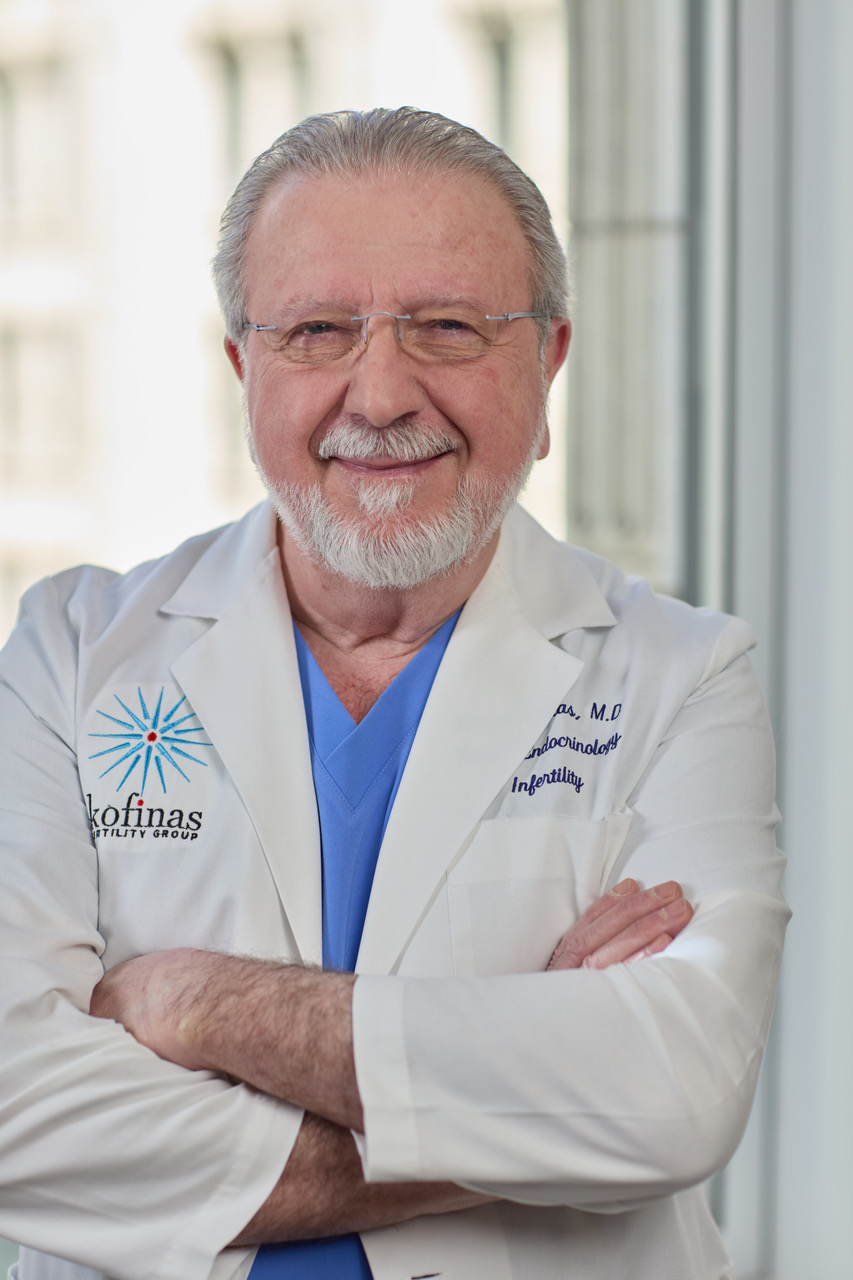
Reproductive Endocrinologist
As the compassionate leader of Kofinas Fertility Group and a distinguished authority on fertility medicine, Dr. Kofinas has used his depth of knowledge and sharp intuition to help thousands of couples start families of their own. Dr. Kofinas has written and spoken about the full spectrum of assisted reproductive technologies, such as reproductive surgery and in vitro fertilization (IVF), and he has personally trained every doctor on his staff.
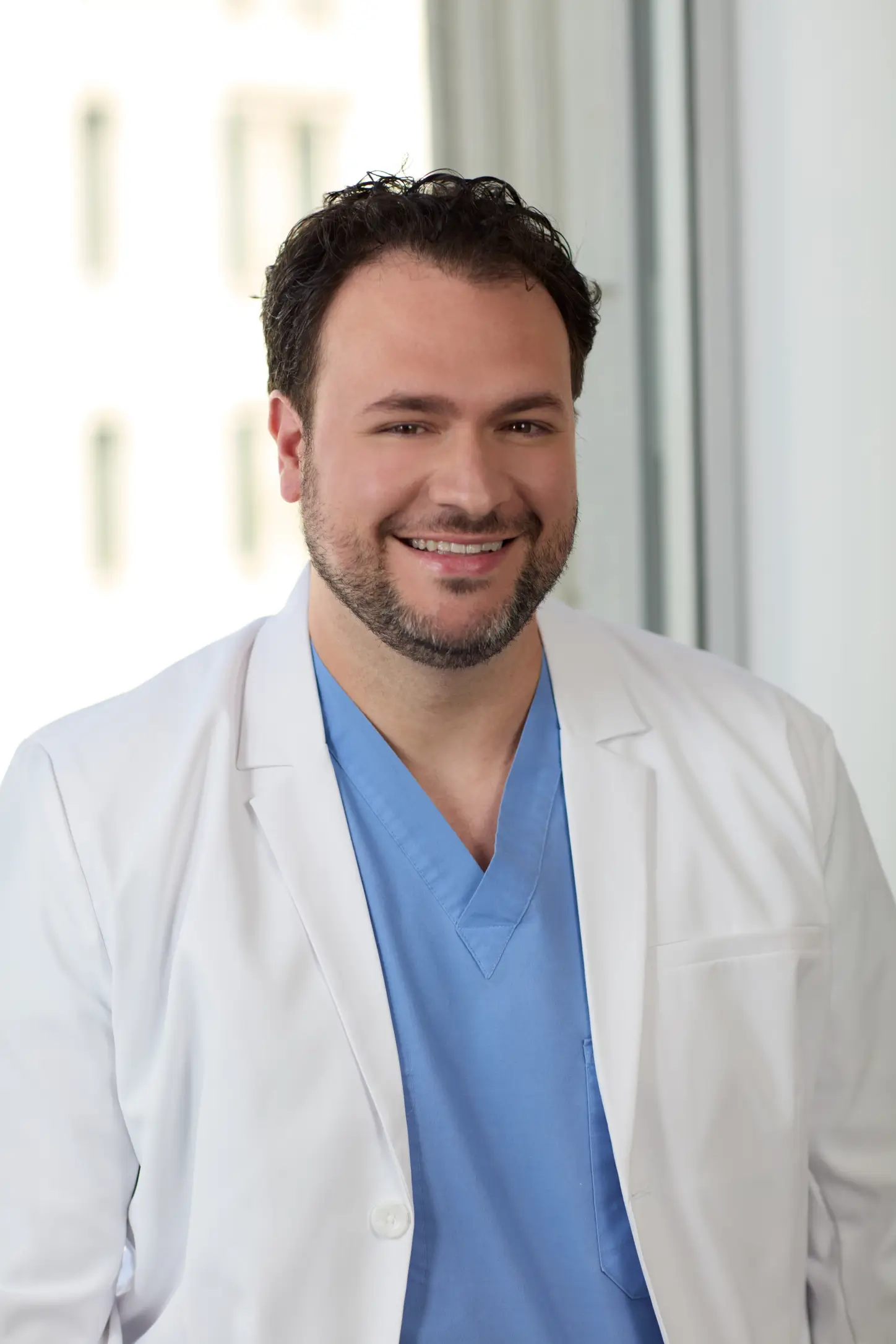
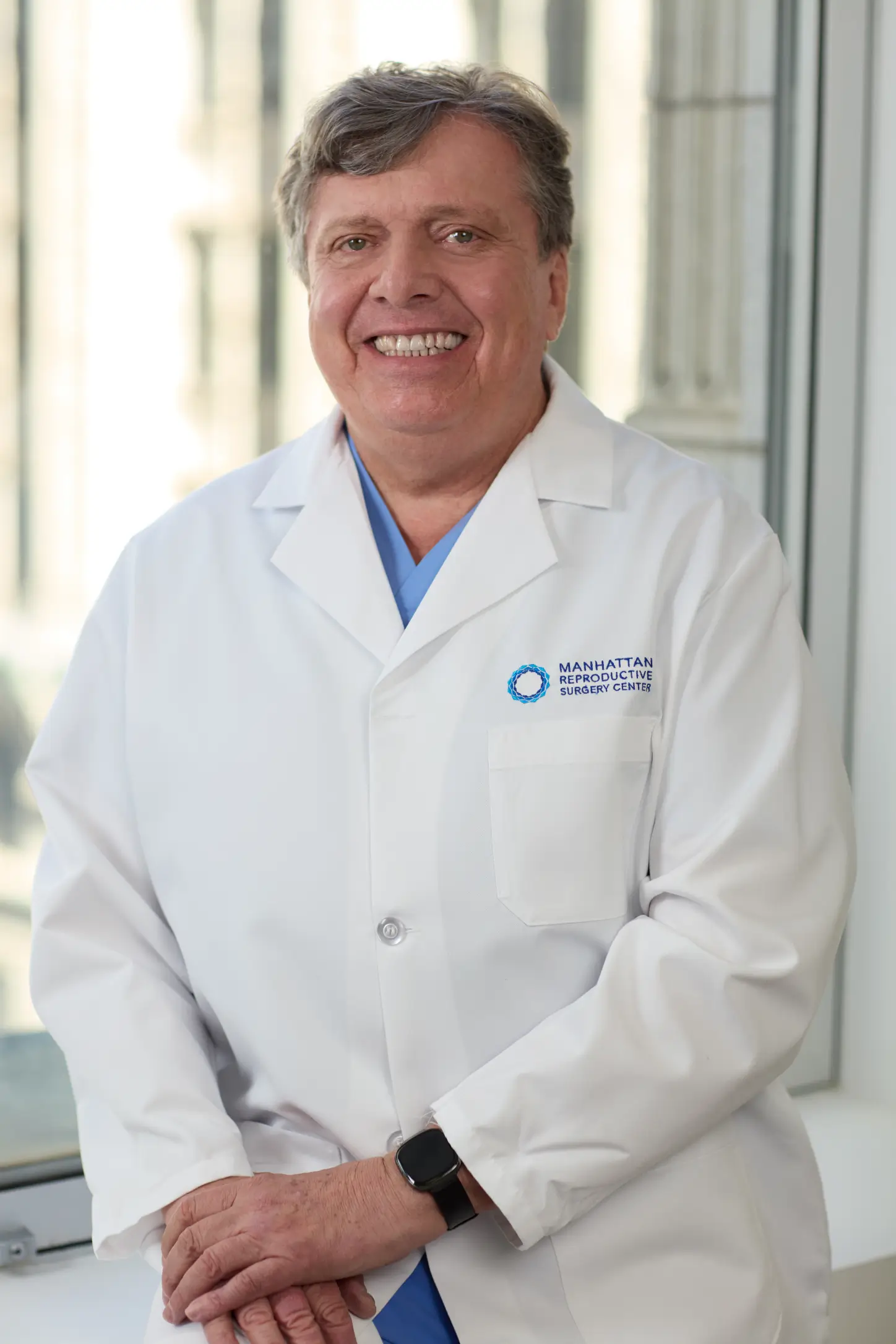
Reproductive Endocrinologist
Peter Brzechffa (BRESH – fuh), MD, FACOG is an active family man and the associate director of Kofinas Fertility Group in New York. Interpersonal connection is a big deal for Dr. Brzechffa, and even after over 20 years in fertility care, he still cherishes every minute that he spends with the people he treats.
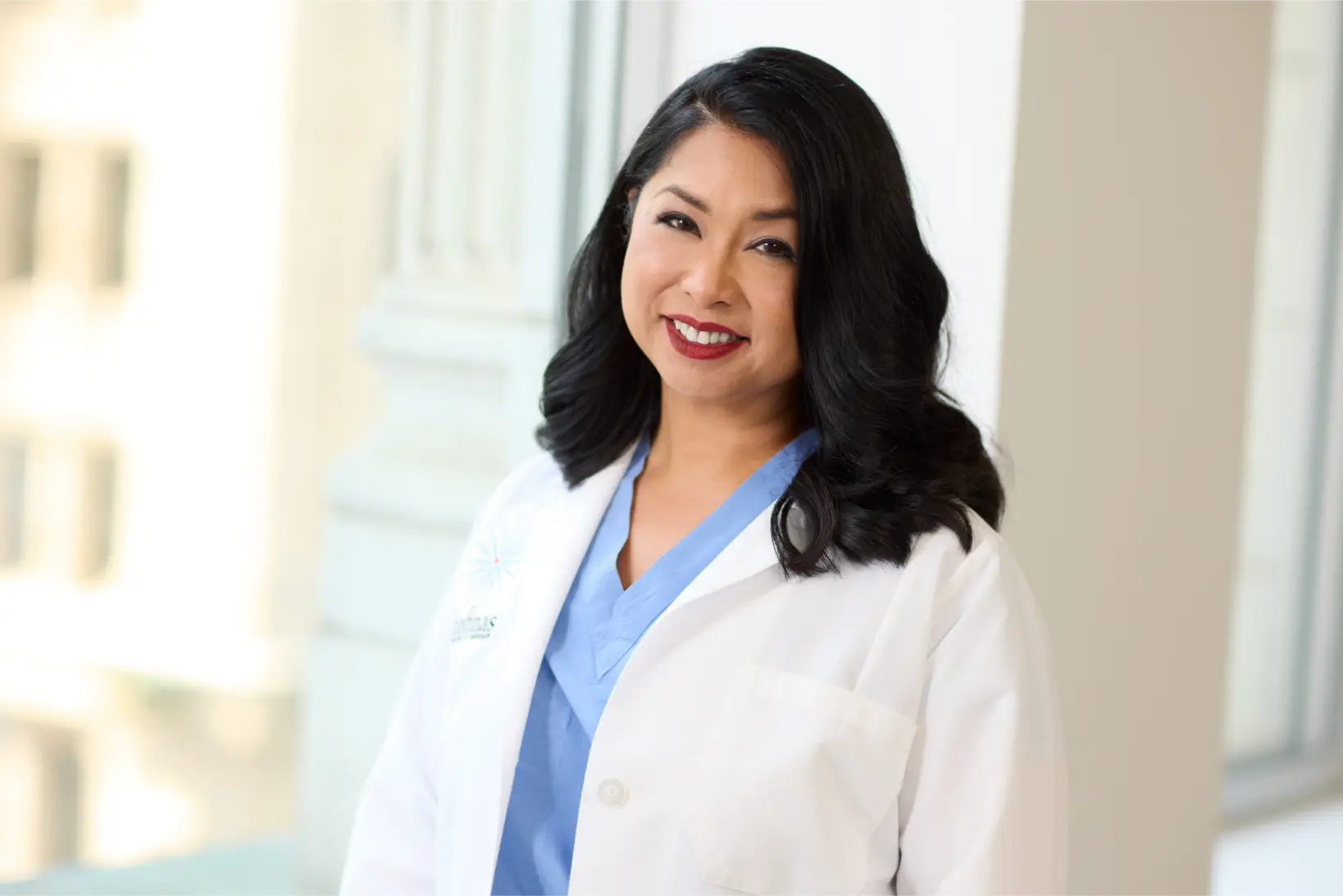
OB/GYN Specialist & Minimally Invasive Gynecologic Surgeon
Melissa Montes, MD, MSc, FACOG has over 10 years of experience helping New Yorkers and beyond start families. With numerous peer-reviewed publications and thousands of success stories under her belt, she continues to help Kofinas Fertility Group advance the boundaries of fertility medicine.
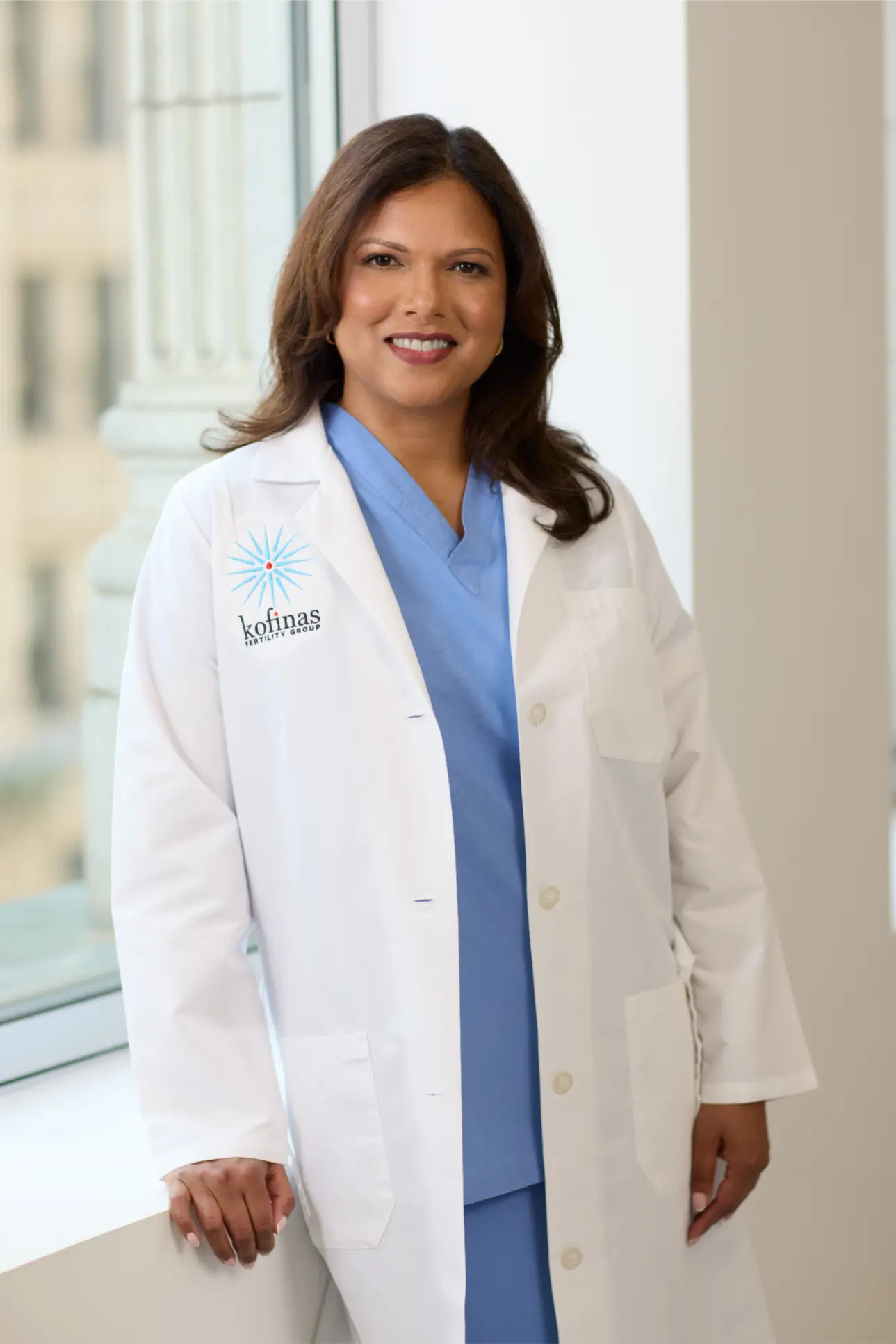
OB/GYN Specialist & Minimally Invasive Gynecologic Surgeon
Levica Narine, MD, FACOG places high value on face-to-face time with those she treats at Kofinas Fertility Group in New York. As an experienced OBGYN, Dr. Narine has solved a wide range of fertility and reproductive problems with many different types of people. Each challenge motivates her to do better, and every experience she has inspires greater passion for her work.
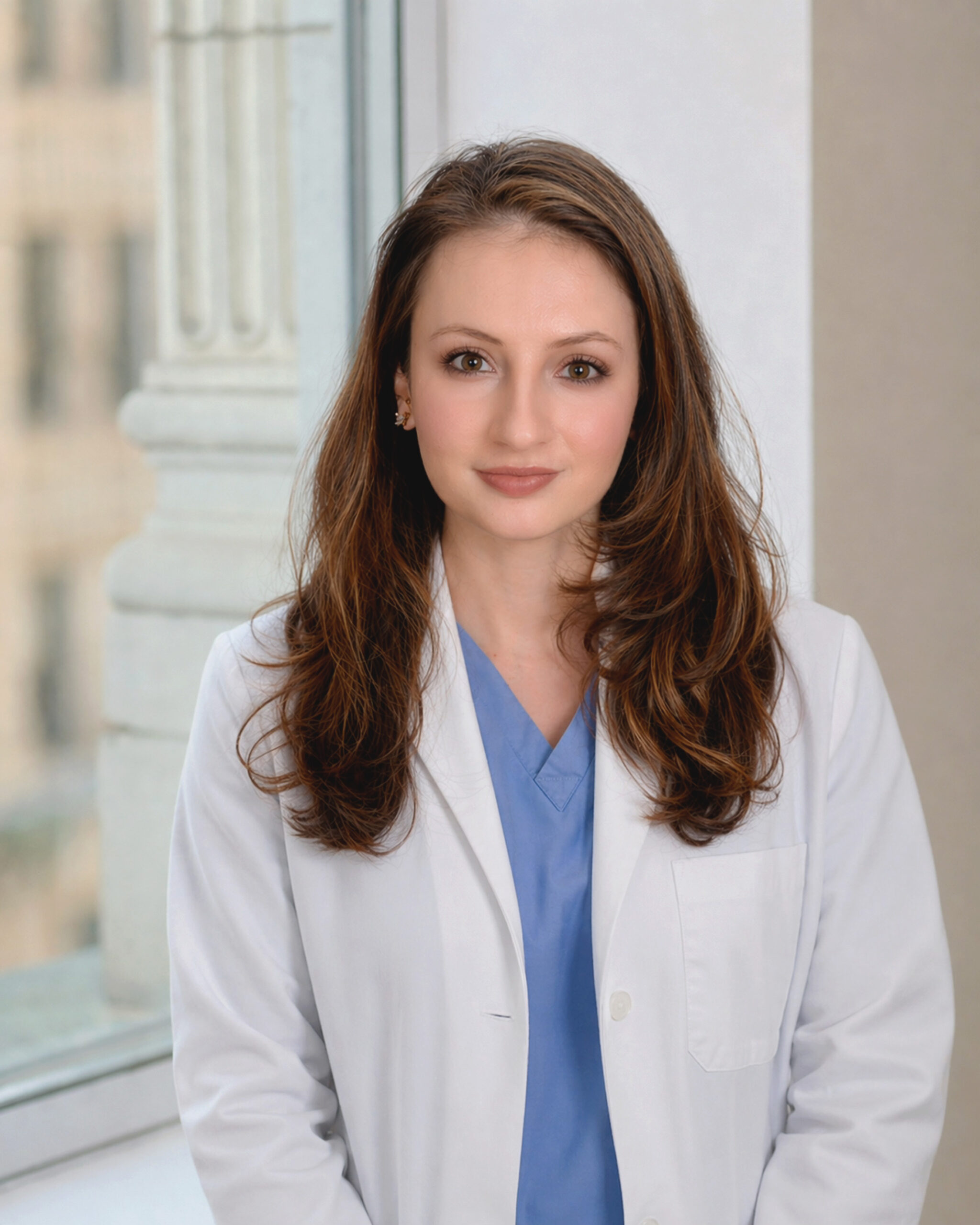
Attending Physician
Societies have long recognized the importance of family building. As reproductive medicine progressed, so did our understanding of its generational impact on women, their relationships, and their legacies. Today, we can reshape the fertility narrative and help patients take back control of their own biology.
Our therapies and technologies are rapidly changing, and I am proud to contribute to this ongoing evolution. As our understanding of physiology and genetics grows, innovations continue to flourish and take us farther than we were yesterday. From endometriosis treatment to preimplantation genetic testing, the scope of our practice is far reaching with great implications for the future of modern family building.
I am proud to advocate for women’s health, and support patients in improving their quality of life and reaching their family goals. At our practice, we are pushing the boundaries of what is possible, and I am excited to see what new therapies we will offer our patients in the coming years.
Every patient has a story of their journey, and that story can be rewritten. Many journeys are paved with ambiguity, loss and the unknown. My role is to help patients retell their story in a space that is safe, respectful and rooted in trust. I strive for every woman to feel informed about her options and confident that she is receiving a comprehensive plan delivered with skill and compassion.
The path to pregnancy can be overwhelming, but I am dedicated to navigating patients every step of the way. My goal is for patients to feel heard, understood, supported, and encouraged. Every woman deserves clear insight into her reproductive health and the opportunity to shape her family vision.
My greatest quality as a member of this team is my commitment to evidence-based care and attention to detail. I stay current with the latest research and continually seek the next based strategies for my patients. Every clinical situation requires meticulous, individualized care, and I make sure to take all aspects into consideration when creating a treatment plan.
My background in minimally invasive surgery allows me to explain how internal disease processes can go unnoticed unless carefully evaluated. Conditions such as endometriosis and fibroids are two of the most common examples that can be surgically treated with significant effects on fertility and chance of live birth. My previous training in obstetrics also helps me to anticipate high risk pregnancy states and work to prevent complications through careful evaluation and optimization of the first trimester.
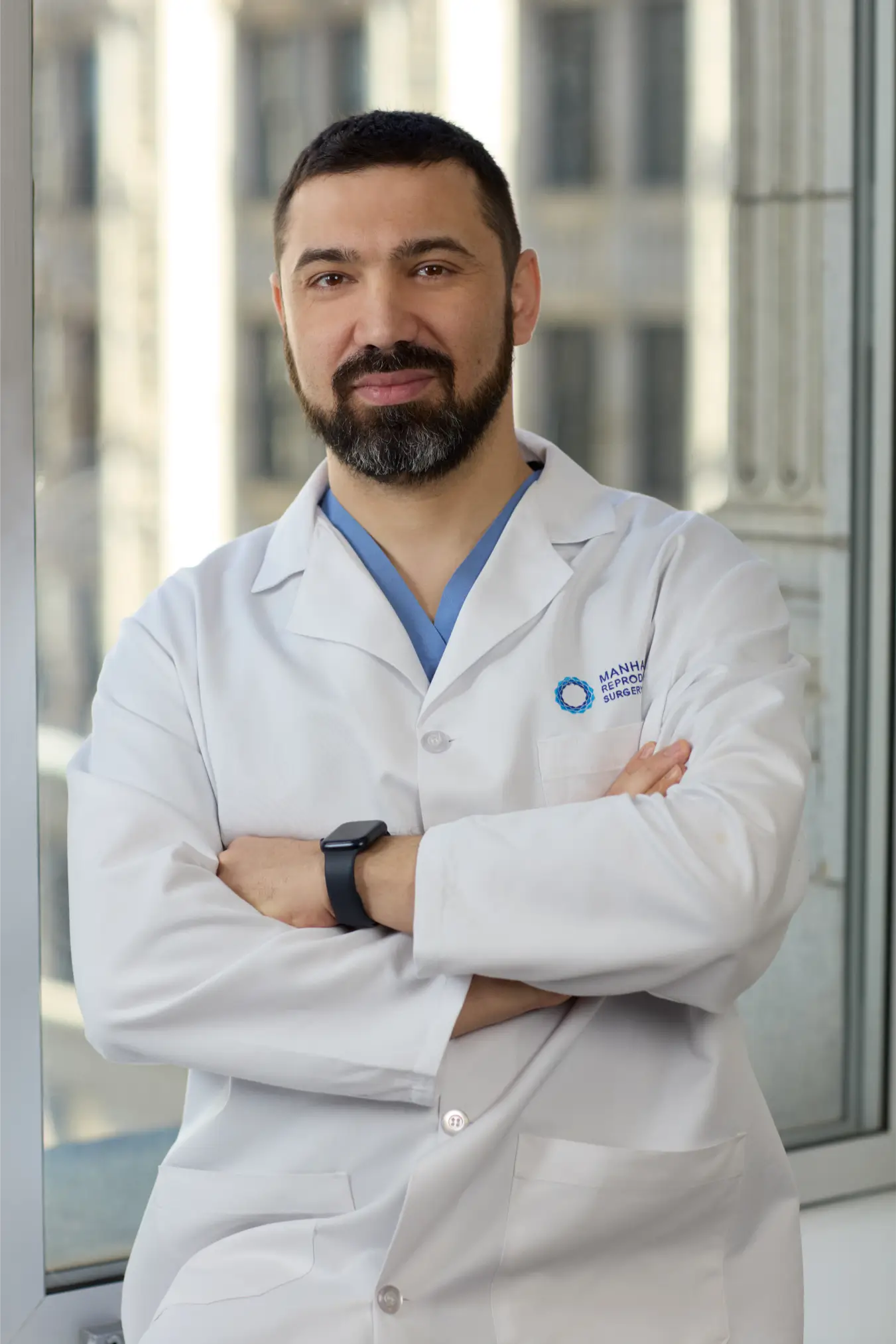
Reproductive Endocrinologist & Clinical Geneticist
Now try saying it 3 times as fast as you can. Just kidding, we call him Dr. C for short.
Dr. C is the newest member of the Kofinas Fertility team and we are thrilled to have his incomparable experience in both Reproductive Endocrinology & Infertility and Medical Genetics (AND delightful personality) at our center. His 14 years of training and expertise were enough to add so much value to our patients, but it is his vibrant and detailed approach to his patient care that sets him apart.
Locations





We’re Here to Help
Get quick answers to frequently asked questions
We’re Ready To Help.
Connect with our team to discuss your situation and understand your next steps—without pressure, without judgment.
Connect with our team to discuss your situation and understand your next steps. Our fertility clinic in Lower Manhattan is here to help - without pressure, without judgment.
Comprehensive fertility care with clarity and confidence.