

The fertility industry often jumps straight to IVF. We don’t.
We believe you deserve to understand what’s actually preventing pregnancy before spending time, money, and emotional energy on treatment that might not address the real problem.
Answers before actions. If surgery will help, we do it well. If not, we move forward without it. Either way, you’re not starting over — you’re moving forward.

Tests and imaging to understand why.

Fix what’s fixable, preserve what matters.

If IVF is right, we proceed with a strong lab.
Comprehensive fertility care organized by your care path stage

Before recommending any treatment, we need to understand your complete picture—both partners, comprehensive testing, and expert interpretation. This isn’t a checklist. It’s a conversation.

Surgery isn’t always needed—but when it is, it can be life-changing. Removing endometriosis, fibroids, or scar tissue that silently blocks pregnancy gives your body the best chance to conceive naturally or through IVF. We only recommend surgery when we believe it will make a real difference.

Whether IVF is your first step or your next step after surgery, you’ll work with the same team you’ve come to know—in a lab designed for precision, transparency, and the best possible outcomes. We don’t hide behind inflated success rates. We give you honest, age-specific expectations so you can make informed decisions.
Save time by securely uploading your previous test results and medical records
Every journey is different, but here’s how we typically guide patients through their care path.
1
Comprehensive evaluation including hormone testing, imaging, and partner assessment. We review your history and create a personalized diagnostic plan.
Previous treatments, surgeries, and test results
Hormone panels, imaging, and specialized assessments
Comprehensive male factor assessment when indicated
2
Detailed discussion of findings and treatment options. We explain what we found, what it means, and what your realistic options are.
Incorporates all objective data into the evaluation
Combine results to explain infertility and constraints
Create stepwise plan aligned with patient priorities
3
Whether surgery, IVF, or other treatments, we coordinate your care with regular monitoring and adjustments as needed.
4
Continuous care coordination, outcome monitoring, and adjustment of treatment plans based on results and changing circumstances.
Regular assessment of treatment effectiveness and pregnancy outcomes
Modifying approaches based on response and new information
Family building goals and future fertility preservation considerations
These board-certified specialists practice at Upper West Side and coordinate your care across all our locations when needed.
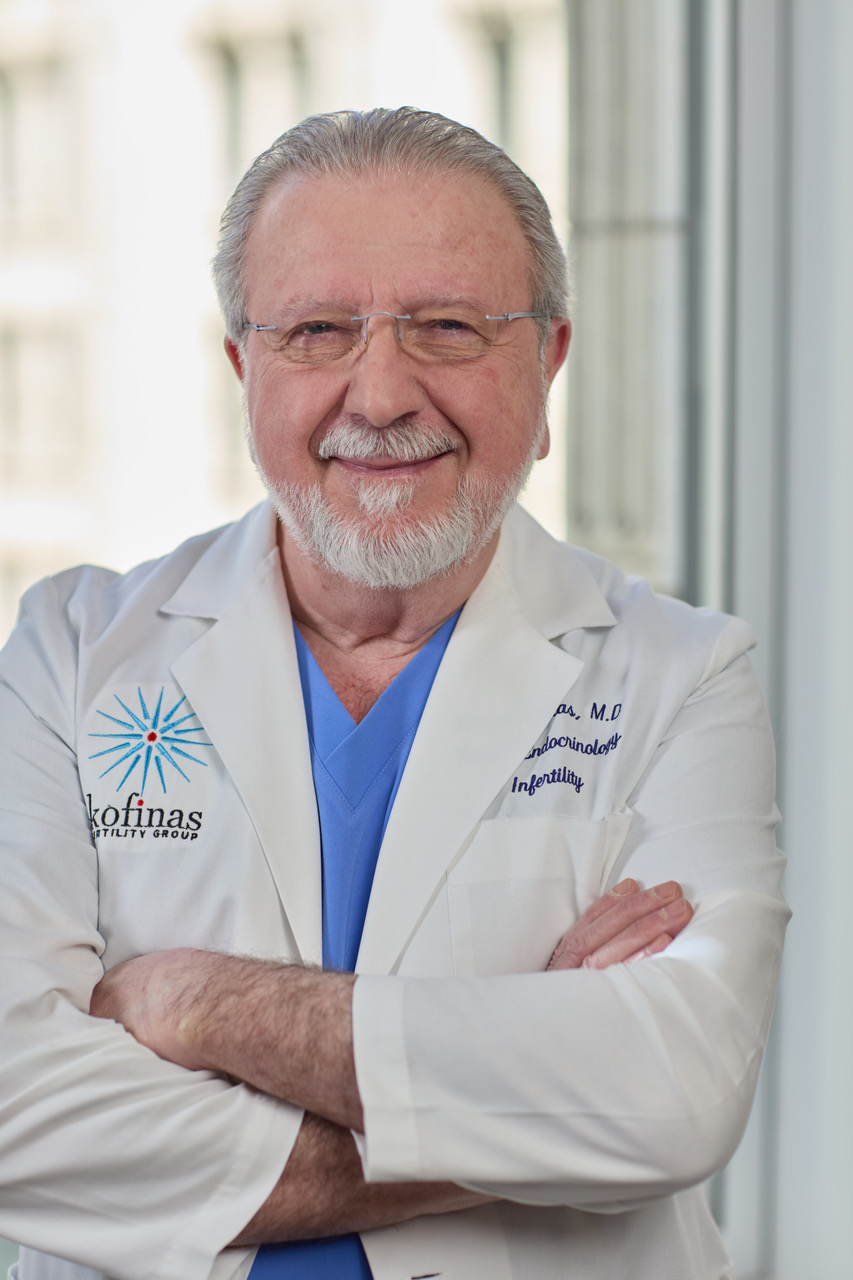
Reproductive Endocrinologist
As the compassionate leader of Kofinas Fertility Group and a distinguished authority on fertility medicine, Dr. Kofinas has used his depth of knowledge and sharp intuition to help thousands of couples start families of their own. Dr. Kofinas has written and spoken about the full spectrum of assisted reproductive technologies, such as reproductive surgery and in vitro fertilization (IVF), and he has personally trained every doctor on his staff.
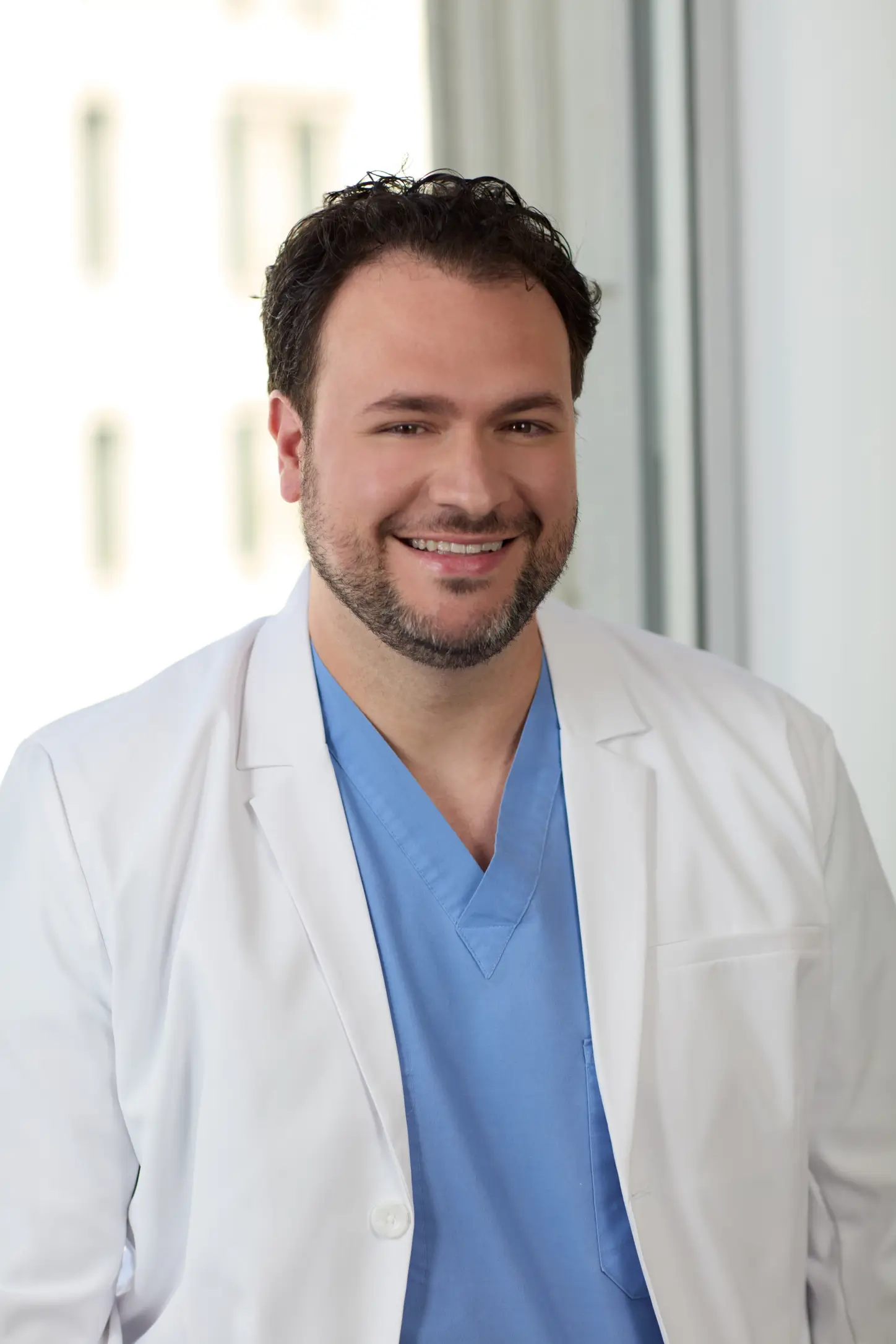
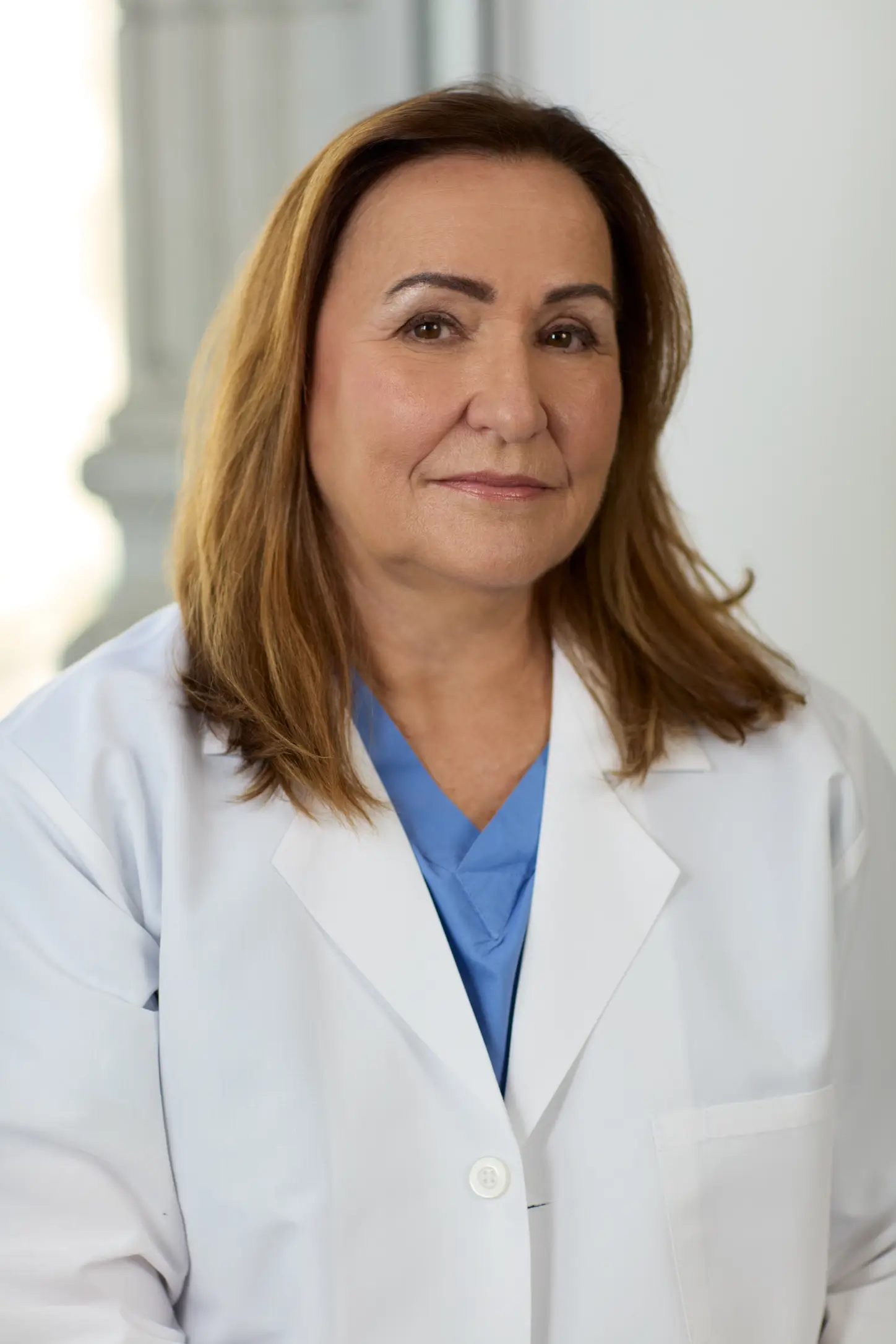
Embryology & Lab Director
Maria Bertero, MD, HCLD inspires us all at Kofinas Fertility Group in New York with her dedication to the field of fertility. Dr. Bertero has numerous published works on embryology and andrology, and she has completed extensive training all around the world in egg and embryo freezing, embryo biopsy, and more.
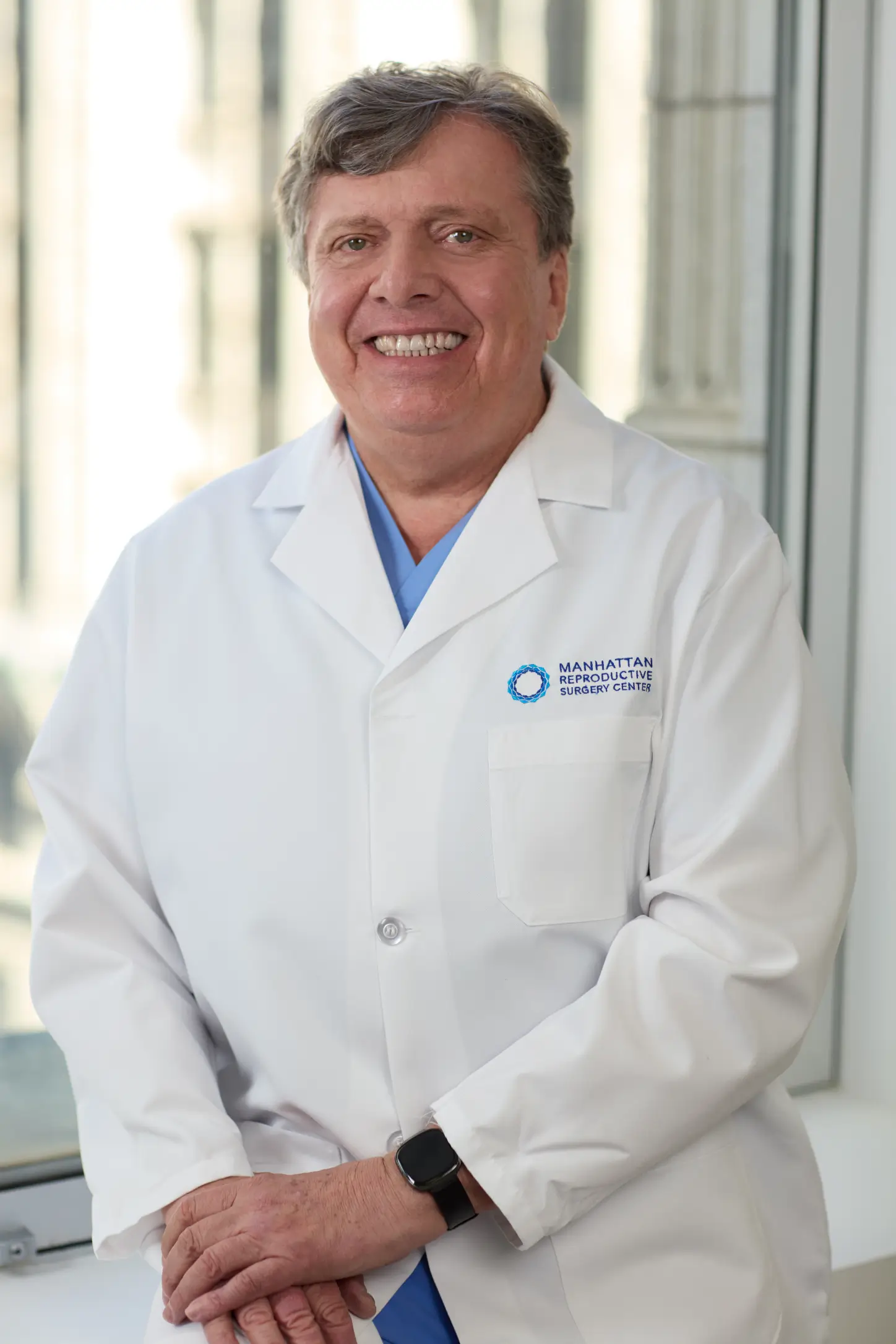
Reproductive Endocrinologist
Peter Brzechffa (BRESH – fuh), MD, FACOG is an active family man and the associate director of Kofinas Fertility Group in New York. Interpersonal connection is a big deal for Dr. Brzechffa, and even after over 20 years in fertility care, he still cherishes every minute that he spends with the people he treats.
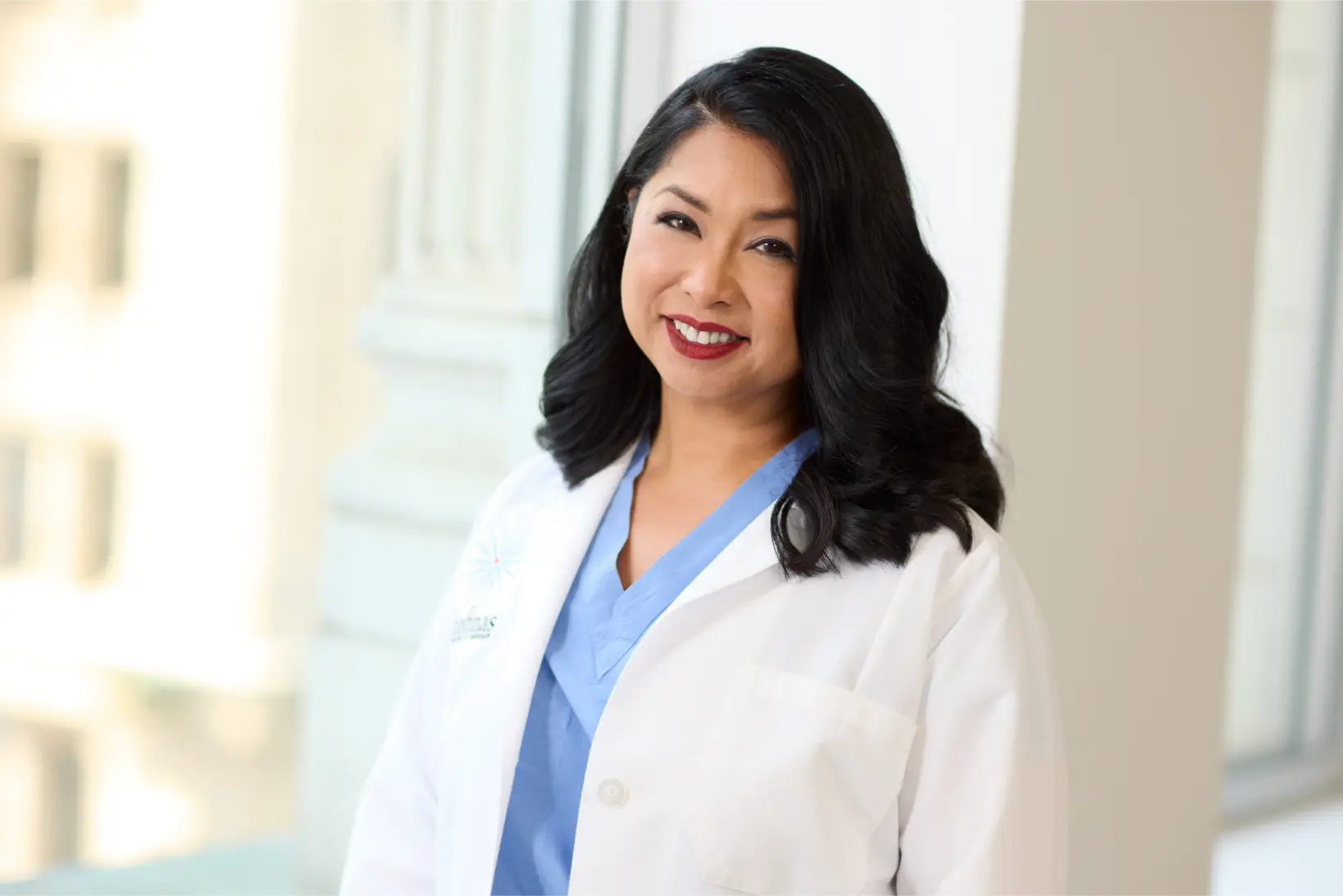
OB/GYN Specialist & Minimally Invasive Gynecologic Surgeon
Melissa Montes, MD, MSc, FACOG has over 10 years of experience helping New Yorkers and beyond start families. With numerous peer-reviewed publications and thousands of success stories under her belt, she continues to help Kofinas Fertility Group advance the boundaries of fertility medicine.
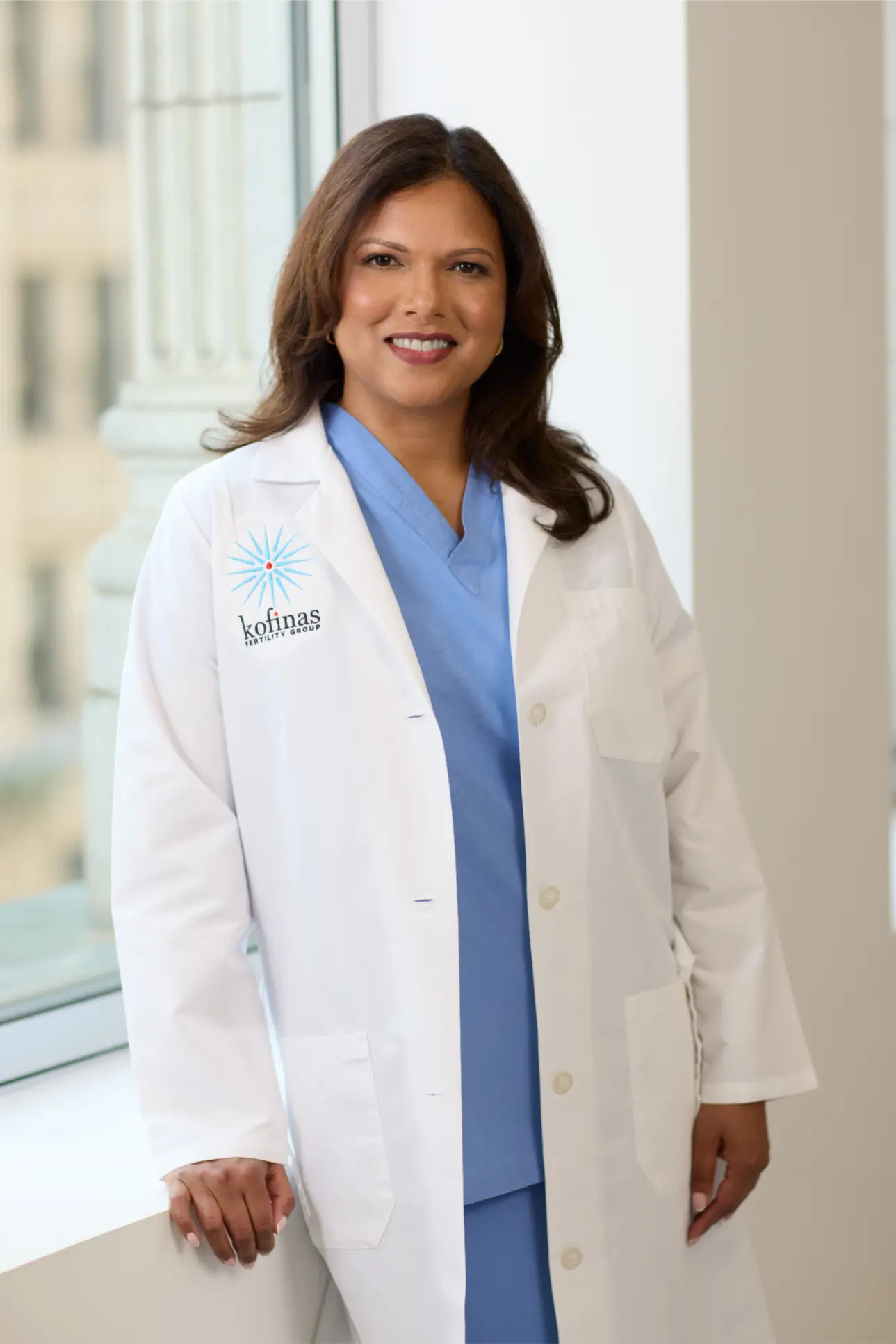
OB/GYN Specialist & Minimally Invasive Gynecologic Surgeon
Levica Narine, MD, FACOG places high value on face-to-face time with those she treats at Kofinas Fertility Group in New York. As an experienced OBGYN, Dr. Narine has solved a wide range of fertility and reproductive problems with many different types of people. Each challenge motivates her to do better, and every experience she has inspires greater passion for her work.
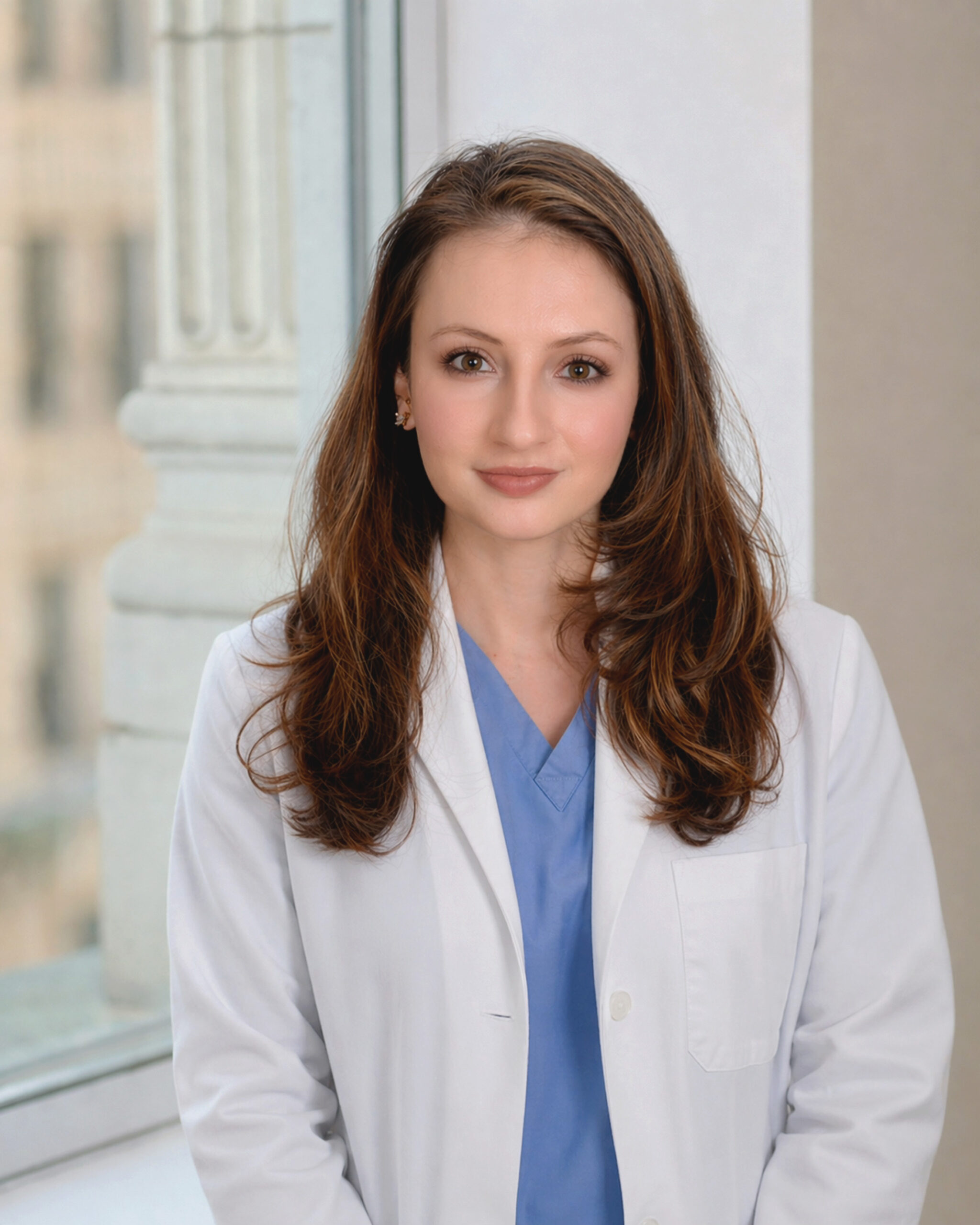
Attending Physician
Societies have long recognized the importance of family building. As reproductive medicine progressed, so did our understanding of its generational impact on women, their relationships, and their legacies. Today, we can reshape the fertility narrative and help patients take back control of their own biology.
Our therapies and technologies are rapidly changing, and I am proud to contribute to this ongoing evolution. As our understanding of physiology and genetics grows, innovations continue to flourish and take us farther than we were yesterday. From endometriosis treatment to preimplantation genetic testing, the scope of our practice is far reaching with great implications for the future of modern family building.
I am proud to advocate for women’s health, and support patients in improving their quality of life and reaching their family goals. At our practice, we are pushing the boundaries of what is possible, and I am excited to see what new therapies we will offer our patients in the coming years.
Every patient has a story of their journey, and that story can be rewritten. Many journeys are paved with ambiguity, loss and the unknown. My role is to help patients retell their story in a space that is safe, respectful and rooted in trust. I strive for every woman to feel informed about her options and confident that she is receiving a comprehensive plan delivered with skill and compassion.
The path to pregnancy can be overwhelming, but I am dedicated to navigating patients every step of the way. My goal is for patients to feel heard, understood, supported, and encouraged. Every woman deserves clear insight into her reproductive health and the opportunity to shape her family vision.
My greatest quality as a member of this team is my commitment to evidence-based care and attention to detail. I stay current with the latest research and continually seek the next based strategies for my patients. Every clinical situation requires meticulous, individualized care, and I make sure to take all aspects into consideration when creating a treatment plan.
My background in minimally invasive surgery allows me to explain how internal disease processes can go unnoticed unless carefully evaluated. Conditions such as endometriosis and fibroids are two of the most common examples that can be surgically treated with significant effects on fertility and chance of live birth. My previous training in obstetrics also helps me to anticipate high risk pregnancy states and work to prevent complications through careful evaluation and optimization of the first trimester.
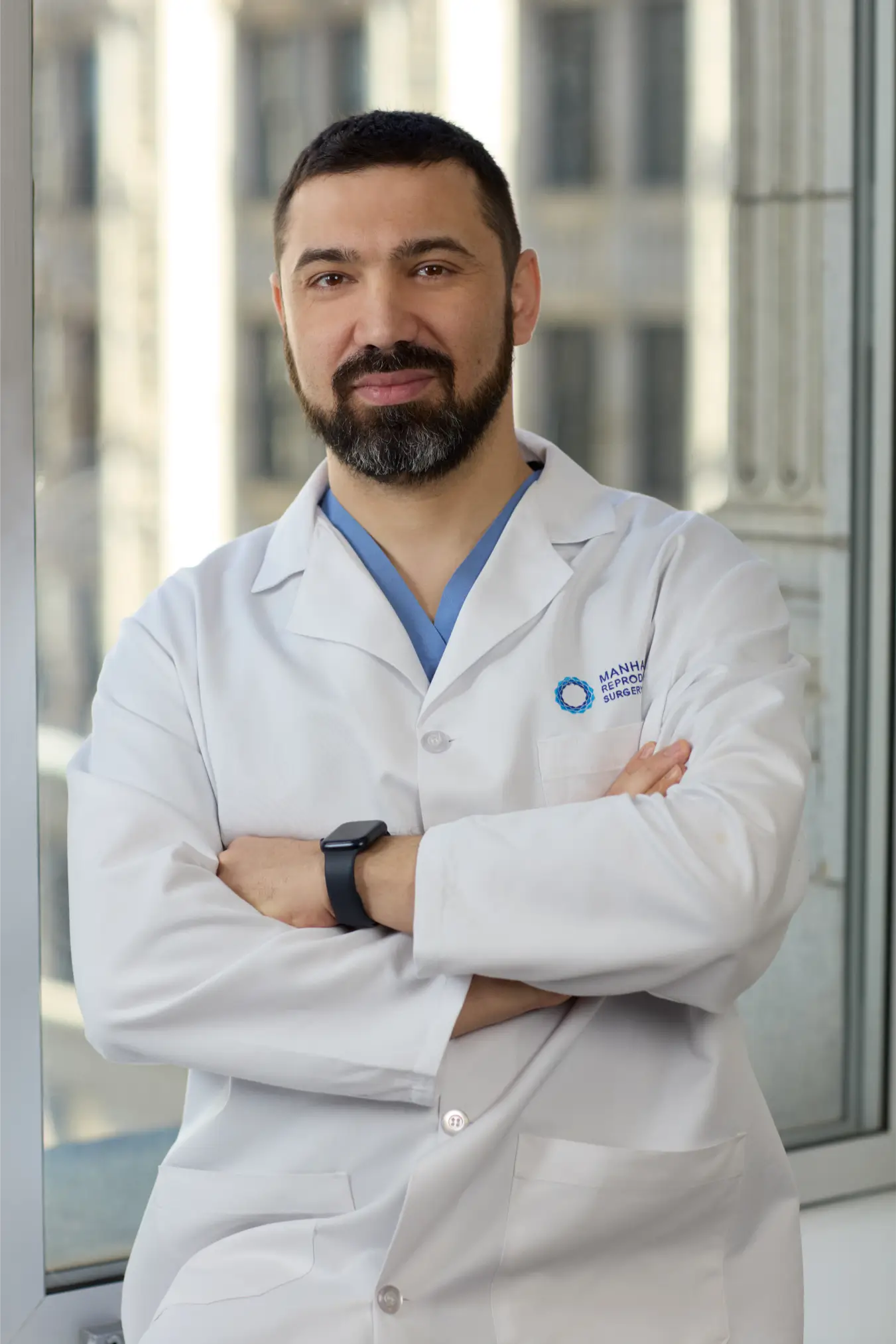
Reproductive Endocrinologist & Clinical Geneticist
Now try saying it 3 times as fast as you can. Just kidding, we call him Dr. C for short.
Dr. C is the newest member of the Kofinas Fertility team and we are thrilled to have his incomparable experience in both Reproductive Endocrinology & Infertility and Medical Genetics (AND delightful personality) at our center. His 14 years of training and expertise were enough to add so much value to our patients, but it is his vibrant and detailed approach to his patient care that sets him apart.
All five of our NYC locations offer the same expert team, coordinated care, and access to our on-site surgical and IVF facilities. Choose what’s convenient for you—we’ll make sure your care is seamless.

Manhattan – Lower Manhattan
Full-service location with surgical suites and lab
Manhattan – Upper West Side
Consultation and monitoring services
Brooklyn
Complete fertility center with parking available
Staten Island
Full diagnostic and treatment capabilities
Long Island – Roslyn Heights
Comprehensive care close to home
We’re Ready To Help.
Connect with our team to discuss your situation and understand your next steps—without pressure, without judgment.
Comprehensive fertility care with clarity and confidence.