

Physician Specialty
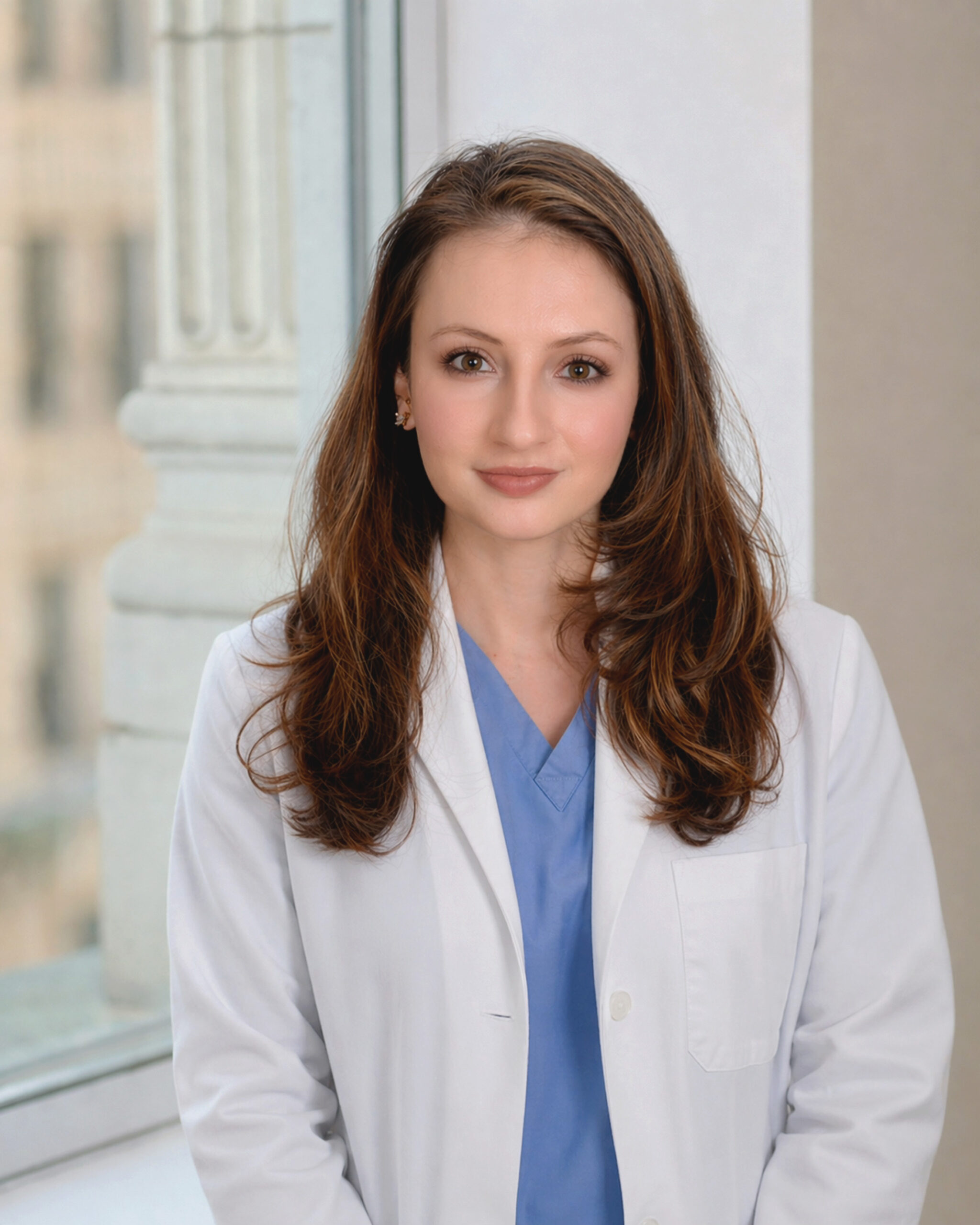
Attending Physician
Societies have long recognized the importance of family building. As reproductive medicine progressed, so did our understanding of its generational impact on women, their relationships, and their legacies. Today, we can reshape the fertility narrative and help patients take back control of their own biology.
Our therapies and technologies are rapidly changing, and I am proud to contribute to this ongoing evolution. As our understanding of physiology and genetics grows, innovations continue to flourish and take us farther than we were yesterday. From endometriosis treatment to preimplantation genetic testing, the scope of our practice is far reaching with great implications for the future of modern family building.
I am proud to advocate for women’s health, and support patients in improving their quality of life and reaching their family goals. At our practice, we are pushing the boundaries of what is possible, and I am excited to see what new therapies we will offer our patients in the coming years.
Every patient has a story of their journey, and that story can be rewritten. Many journeys are paved with ambiguity, loss and the unknown. My role is to help patients retell their story in a space that is safe, respectful and rooted in trust. I strive for every woman to feel informed about her options and confident that she is receiving a comprehensive plan delivered with skill and compassion.
The path to pregnancy can be overwhelming, but I am dedicated to navigating patients every step of the way. My goal is for patients to feel heard, understood, supported, and encouraged. Every woman deserves clear insight into her reproductive health and the opportunity to shape her family vision.
My greatest quality as a member of this team is my commitment to evidence-based care and attention to detail. I stay current with the latest research and continually seek the next based strategies for my patients. Every clinical situation requires meticulous, individualized care, and I make sure to take all aspects into consideration when creating a treatment plan.
My background in minimally invasive surgery allows me to explain how internal disease processes can go unnoticed unless carefully evaluated. Conditions such as endometriosis and fibroids are two of the most common examples that can be surgically treated with significant effects on fertility and chance of live birth. My previous training in obstetrics also helps me to anticipate high risk pregnancy states and work to prevent complications through careful evaluation and optimization of the first trimester.
Locations
We’re Ready To Help.
Connect with our team to discuss your situation and understand your next steps—without pressure, without judgment.
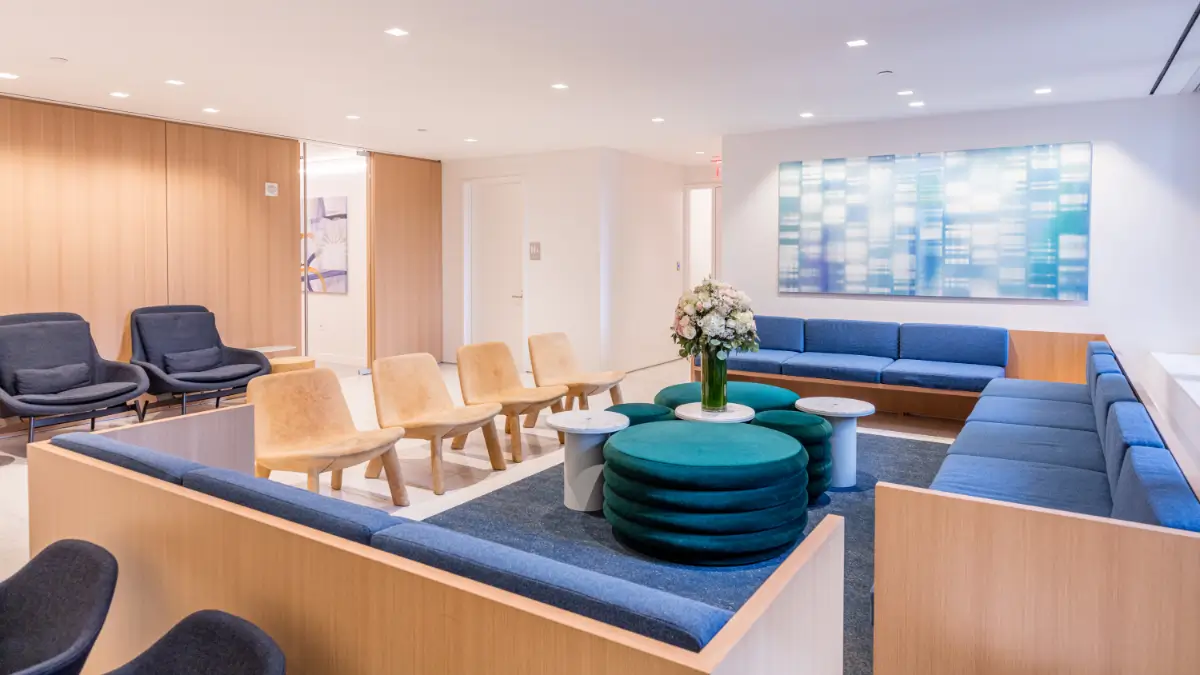
Connect with our team to discuss your situation and understand your next steps. Our fertility clinic in Lower Manhattan is here to help - without pressure, without judgment.
Comprehensive fertility care with clarity and confidence.